
Fire Damage
Licensed Public AdjustersUnderstanding fire, smoke, soot, and related property damage.
The Problem
Smoke and soot damage extends far beyond what burned.
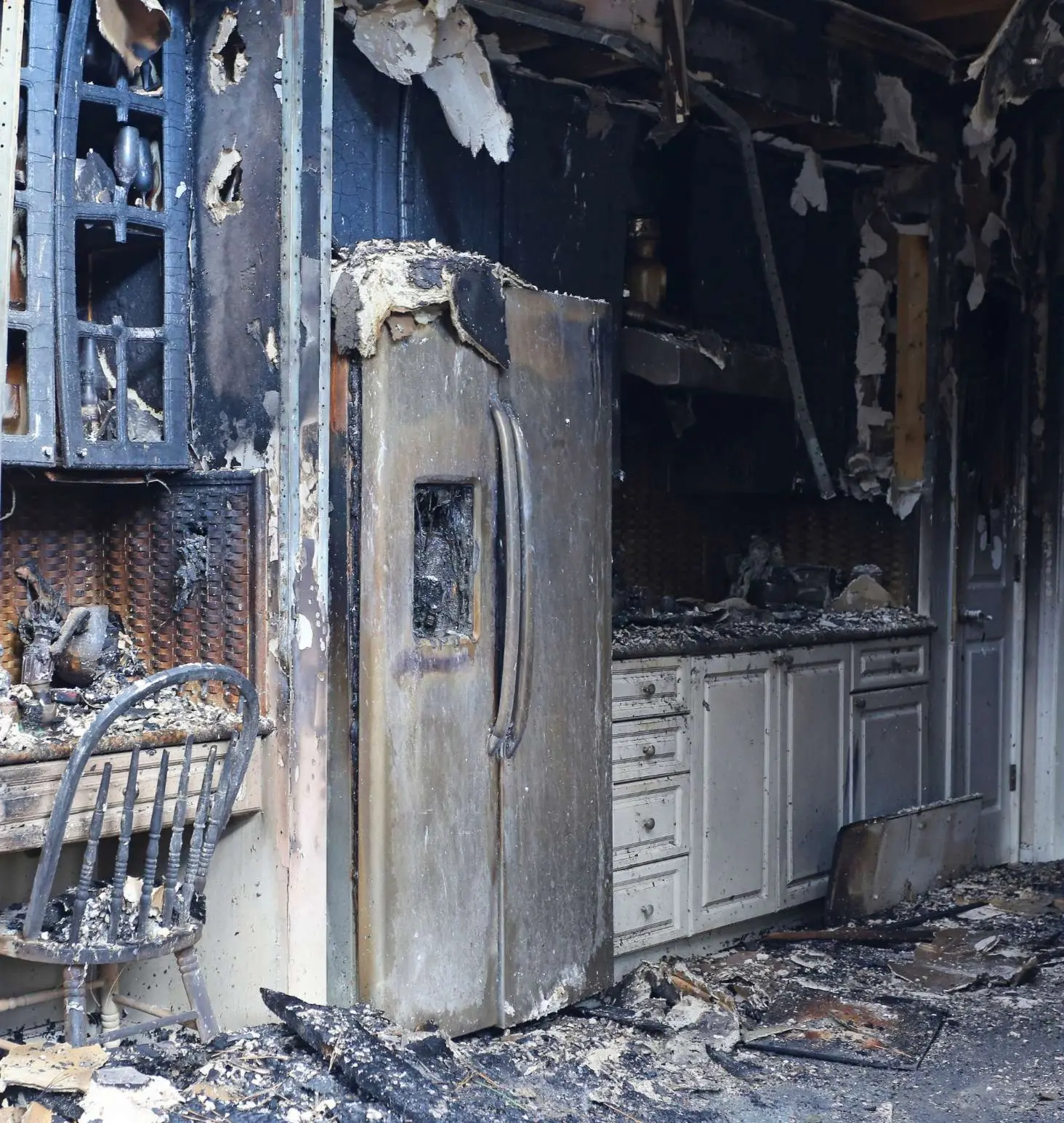
Fire damage may involve more than the areas directly affected by flames. Smoke and soot can travel into nearby rooms and materials, while water used during fire suppression may cause additional damage. A thorough review can help identify the different areas and materials that may have been affected.
Smoke and soot may travel beyond the visibly burned area
HVAC systems can carry smoke and soot into other areas
Water used during fire suppression may cause additional damage
Furniture, clothing, and other contents may also be affected
The Solution
A thorough review of fire, smoke, soot, and related damage.
Fire claims can involve many types of damage beyond the area directly affected by flames. We help document the visible damage, review areas that may have been affected by smoke, soot, or water, and organize the information needed to present a well-supported claim.
Review of fire, smoke, soot, and water-related damage
Documentation of affected areas throughout the property
Review of HVAC and other areas that may have been exposed to smoke or soot
Documentation of damaged furniture, belongings, and other contents
No Recovery. No fee.
Free inspection. Free policy review. You pay nothing unless we recover money on your claim.
OUR PROCESS
Inspect. Document. Prepare.
A thorough fire damage claim starts with understanding and documenting the full extent of the loss.
INSPECT
Review the property and identify areas affected by fire, smoke, soot, and water.
DOCUMENT
Photograph and document visible damage, affected areas, and damaged contents.
PREPARE
Organize the findings and supporting information for presentation to the insurance carrier.
FIRE DAMAGE FINDINGS
What a fire damage inspection may reveal.
Fire damage can extend beyond the area directly affected by flames. A careful inspection may identify smoke, soot, water, and other related damage in areas that were not immediately apparent after the fire.
FIRE DAMAGE — SAMPLE FINDINGSDOCUMENTED
Common Questions
Fire Damage FAQ
When should I contact a public adjuster after a fire?
You can contact a public adjuster after the immediate emergency has been handled and it is safe to assess the property. An early review can help identify and document fire, smoke, soot, water, and contents damage before repairs or cleanup make the original conditions harder to evaluate.
Does smoke damage in other rooms count?
Smoke and soot can travel well beyond the area directly affected by fire. Other rooms, surfaces, contents, and HVAC components may need to be evaluated and documented as part of the overall loss.
What should I do before a fire damage inspection?
Make sure the property has been cleared for safe entry and avoid discarding damaged items when possible. Photos, receipts, inventories, and other information about the property and damaged belongings can also be helpful during the claim review.