
Water Damage
Licensed Public AdjusterUnderstanding where water traveled can be an important part of evaluating property damage.
The Problem
Water Damage May Extend Beyond What You Can See.
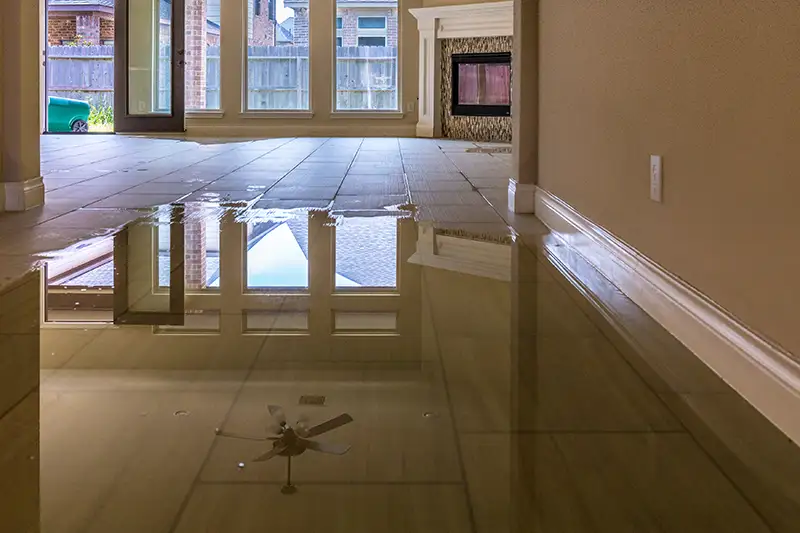
Water can travel beyond the area where damage first appears. Depending on the source and materials involved, moisture may affect walls, flooring, cabinets, or other areas that are not immediately visible. Understanding the extent of the damage can help you better evaluate what should be documented as part of the claim.
- MDamage extending beyond the area where the leak first appeared
- MMoisture remaining in walls, flooring, or other building materials
- MAffected areas that may not be immediately visible
- MQuestions about whether all resulting damage has been documented
The Solution
Understanding the Full Extent of Water Damage.
- NIdentify the likely source and areas where water may have traveled
- NUse moisture readings and thermal imaging when appropriate
- NConsider the type of water intrusion and materials affected
- NDocument visible damage and other areas that may require evaluation
No Recovery, No Fee.
HOW IT WORKS
Review. Document. Understand.
A careful review can help clarify the damage, the available documentation, and the questions that may need to be addressed.
Review
Review the reported damage, available photos, and information about how the loss occurred.
Document
Document visible conditions and use moisture readings, thermal imaging, or other information when appropriate.
Understand
Bring the available information together to better understand the claim and identify questions or next steps.
UNDERSTANDING WATER DAMAGE
What a Thorough Damage Review May Reveal.
Visible damage may tell only part of the story. Reviewing where the water originated, where it may have traveled, and which materials were affected can help provide a clearer picture of the loss.
Common Questions
Water Damage FAQ
What types of water damage do you handle?
Supply line breaks, appliance leaks, roof intrusions, HVAC condensation, toilet overflows, and slow leaks behind walls. Coverage depends on the individual policy and circumstances of the loss.
Should I start drying before calling you?
If it is safe to do so, take photos or video of the affected areas before cleanup begins. Then take reasonable steps to prevent additional damage. If you’re unsure what to document, we can help you understand what may be important for your claim.
How is this different from a plumbing damage claim?
Plumbing damage refers specifically to losses involving pipes, fixtures, or plumbing systems. Water damage is broader and can also result from roof leaks, appliances, HVAC systems, or other sources. In either case, the goal is to identify the source and document the areas and materials affected.
Related Services
You may also need:
Plumbing Damage
Learn how pipe-related water losses may affect areas beyond the visible damage.
Moisture Inspection
Learn how moisture may travel into walls, flooring, and other materials after a water event.
Mold Inspection
Learn what to consider when moisture remains and mold growth becomes a concern